13 Indicators It’s Time to Refresh Your Brand
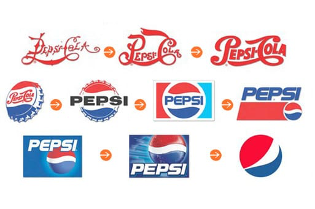
The market is continuously marching forward and what is relevant today may be out of touch tomorrow. Rebranding is by no means a negative connotation and is fundamental to keeping a strong brand influential for years to come.
It’s important to note that a brand refresh doesn’t necessarily translate to a complete overhaul. It can be a subtle adjustment or even an evolution of your existing brand. There is a certain tactfulness to this process that will allow you to cultivate a newfound audience without alienating your loyal customer base.
Here are some signs that may indicate it’s time to refresh your company’s brand:
1) Relevance: If your brand no longer resonates with your target audience or has become outdated, it may be time for a refresh. For instance, this could be a generational shift, from Millennials to Gen Z which can rely on different marketing channels and encompass a distinct buying modality.
2) Market Changes: If your industry or market has evolved significantly, and your brand no longer reflects your position in that market, it may be time to update your brand to better align with your current business goals.
3) Competitive Landscape: If your competitors have recently updated their brands and are gaining an advantage in the market, it might be a signal that you need to refresh your brand to remain competitive.
4) Expansion or Diversification: When your company expands into new markets or introduces new product lines or services, your brand may need to be updated to reflect these changes and create a cohesive brand identity.
5) Negative Associations: If your brand has suffered from negative publicity or associations, a refresh can help you distance yourself from these issues and rebuild your reputation.
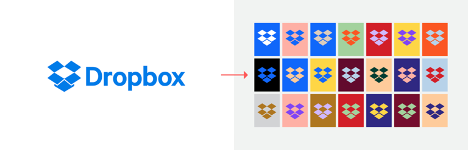
6) Inconsistent Branding: If your branding elements are inconsistent across different channels or materials, a brand refresh can help unify your visual and messaging elements for a more cohesive brand identity.
7) Change in Leadership or Ownership: Changes in leadership or ownership can be a catalyst for a brand refresh. New leadership may bring a different vision and direction for the company, which could require a rebranding effort.
8) Declining Sales and/or Inability to Increase Prices: A decline in sales or market share could be an indicator that your brand is no longer effective in attracting and retaining customers.
Especially if you are trying to raise your prices and not seeing traction. A company’s pricing power and the potency of its brand tend to correlate.
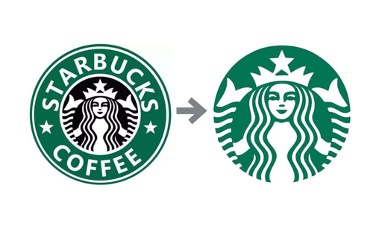
9) Outdated Visual Identity: If your logo, color scheme, or other visual elements look dated or no longer reflect your company’s values, a design update might be necessary.
10) Feedback from Customers and Employees: Listen to feedback from customers and employees. If you receive consistent feedback that your brand no longer represents your company effectively, it’s time to consider a refresh.
11) Legislative or Regulatory Changes: If there have been significant legal or regulatory changes that impact your industry, your branding may need to be adjusted to comply with these new requirements.
12) Global Expansion: If your company is expanding internationally, you may need to adapt your brand to be culturally sensitive and relevant in new markets.
13) Lack of Talent: The best and brightest want to work with brands that are class-leading, if you have seen a dearth of talented individuals applying to your company it may be time to adapt.
When we help a client with their refresh, we want to make sure we have done our market research and loop in the key stakeholders and internal marketers to ensure the brand refresh aligns with the company’s fundamentals, long-term goals, and target audience.
Make sure to check these awesome trends.
Author | Tyler Vaughn